
TTL Touch The Limit
Extreme Heat. Extreme Cold.
Radiation. Hazard Zones. Always On.
Background
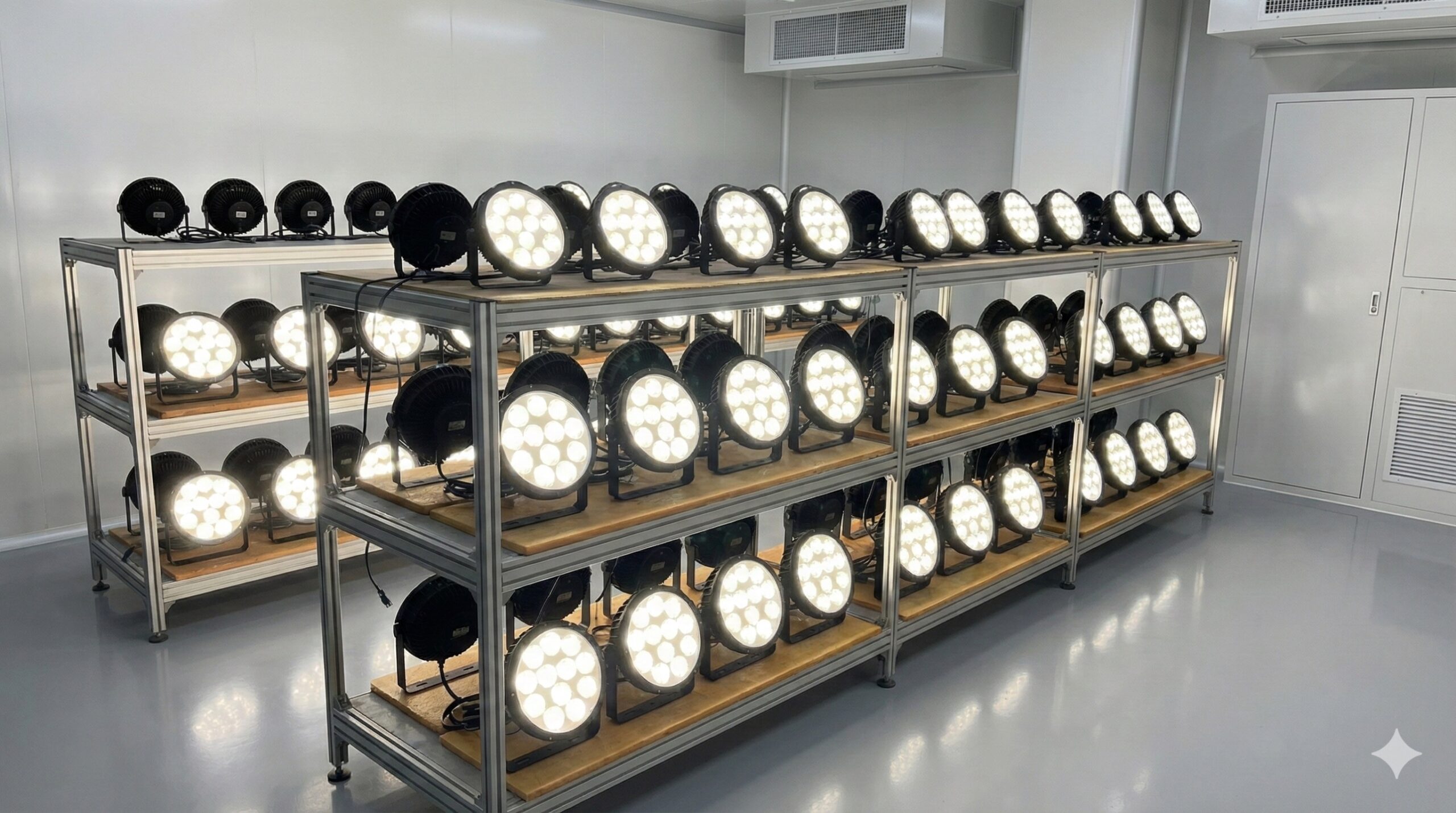
TTL (Touch The Limit) was founded in response to a clear market need: reliable lighting built to withstand extreme high-temperature environments. Industries such as steel, glass, and heavy manufacturing had long struggled with fixtures that failed too quickly, driving up maintenance costs and introducing operational risks.
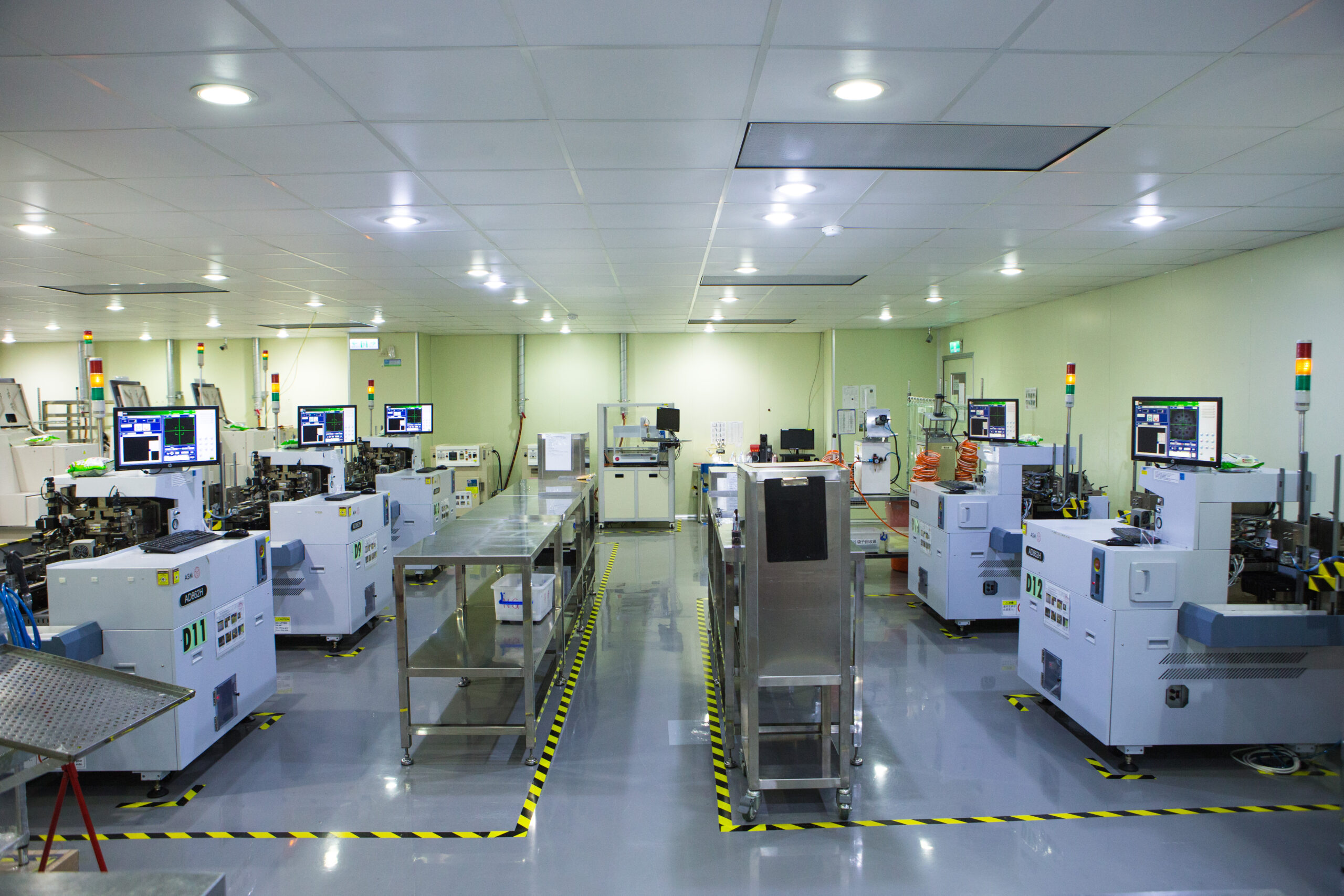
To address this challenge, we first partnered as an OEM supplier to a major U.S. customer, developing and manufacturing lighting solutions specifically engineered for high-temperature applications. This collaboration gave us direct field insight into real-world extreme conditions and strengthened our expertise in thermal design, advanced materials, and solid-state engineering. With this foundation, we established TTL – Touch the Limit, a professional brand dedicated to extreme-environment lighting. Powered by ParagonLED technology, every TTL product is purpose-built from the inside out to deliver reliability where standard fixtures cannot survive.
Mission
Today, TTL’s mission remains clear and unwavering: to provide industrial users worldwide with lighting solutions engineered for the harshest, hottest, and most demanding environments. We are dedicated to ensuring safety, operational continuity, and reliable performance even under extreme heat, heavy vibration, corrosive atmospheres, high dust levels, and radiation—conditions that routinely cause conventional fixtures to fail. This mission extends to specialized radiation-resistant lighting for nuclear facilities and research laboratories, as well as hazard zone lighting, designed for explosive gas and dust environments above 115 ˚C (239 ˚F). Fixtures are ideal for petrochemical plants, oil & gas storage, chemical powder areas, and mining operations, certified to UL 844 explosion-proof standards.
Our purpose is to support industries operating at the edge of possibility—steel mills, glass plants, foundries, petrochemical sites, and radiation-intensive or hazardous environments— by delivering lighting that endures where others cannot. Through advanced thermal engineering, robust materials, and field-proven solid-state architecture, TTL products protect workers, enhance visibility, maintain productivity, minimize maintenance downtime, and extend fixture life.
At TTL, we believe true reliability is proven only in extreme environments—and our mission is to illuminate them with absolute confidence.
Values
- TTL delivers lighting solutions built for the harshest industrial environments, where conventional fixtures fail. Our products combine durability, precision, and innovation to ensure safety, reliability, and productivity under extreme conditions.
- Extreme temperature lighting from –80 ˚C to +115 ˚C, driverless ACCOB solid-state architecture, ideal for steel, glass, chemical, cold storage, and desert or polar sites.
- Radiation-hardened lighting for nuclear, defense, and space applications, certified to IEEE 323/383 and MIL-STD-461G, with tolerance up to 1MGy & ~4.46 × 10¹⁴ n/cm² , 1 MeV equivalent (fast-neutron fluence).
- Hazard-zone lighting for explosive gas and dust areas above 115˚C, UL 844 and PSE certified, compatible with major mounting systems, suitable for petrochemical, mining, and chemical powder environments.
- TTL stands for extreme reliability, safety, and continuous operation. Our mission is to provide industrial users worldwide with lighting that performs where failure is not an option.
 Download: LED Driver x High-Temperature Industrial Lighting Documents
Topic 1: One-Page Brief -Hidden Risks of LED Lighting in High-Temperature Industrial Facilities
Topic 2: LED Driver Case Temperature (Tc) vs Ambient Temperature (Ta) Analysis
Topic 3: LED Driver Tc-Ta Relationship in Junction Box Environments
Topic 4: 65 °C (149 °F) – The Pain Point of Industrial Lighting
Topic 5: De-Facto Standard in LED Driver Reliability
Topic 6: De-Facto Standard in LED Driver Reliability -Reference Documentation
Topic 7: Professional White Paper on LED Driver Reliability and Fire Risks
Topic 8: Fire Risks of LED Drivers and Luminaires in High-Temperature Industrial Processes
Topic 10: Acuity Driver x De-Facto Model Analysis
Topic 11: Acuity Driver Lifetime -Economic and Environmental Issue (eldoLED Blog Article)
Topic 13: Dialight x De-Facto Model+ Arrhenius Analysis (Ambient/ Case Temperature)
Topic 14: Cree Lighting Industrial Product Lines x Operating Temperature Range
Topic 15: Holophane Industrial Lighting – Operating Ambient Temperature Range (with Wattage)
Topic 16: Remote Driver Architecture: Pros and Cons Analysis
Topic 17: U.S. DC Transmission & Distribution – Voltage and Current Regulations (NEC/NESC/OSHA)
Topic 18: Comparison of Three Generations of Industrial LED Lighting Technologies